



Chinese Qing Dynasty Incense Burner - Jimei National Museum of Asian Art
It is a utensil used for burning spices, commonly used in religion, worship, and daily life for incense burning. During the Qing Dynasty in the 18th century (1644-1912), this type of incense burner was widely produced and used in China. It is a copper, gilded, and enamel decorated artwork. The decorative theme includes the head of a glutton and the image of a lion, which have symbolic significance in ancient Chinese art. Gluttons are usually associated with power and mysterious power, while lions symbolize majesty and courage. It is currently housed in the National Museum of Asian Art in Jimei, France, showcasing the exquisite metal and enamel craftsmanship of the Qing Dynasty in China.

Statue of Buddha teacher Ajuthia
It is a replica of a 19th-century Cambodian style bronze Buddha statue. This statue depicts the posture of Buddha in teaching, with a dignified sitting posture and hands placed flat, showing a sense of tranquility and wisdom. Ajutya was the ruler of the Peacock Dynasty in ancient India, who had a significant influence on the spread of Buddhism, especially during his reign when Buddhism was greatly promoted. The original of this statue is collected at the Jimei National Museum of Asian Art in Paris. The replica was made by the National Museum Art Studio using the same bronze material as the original, aiming to provide museums and art enthusiasts with opportunities for collection and research.

Popular Models


Honey Badger (3D animated model)
192 View
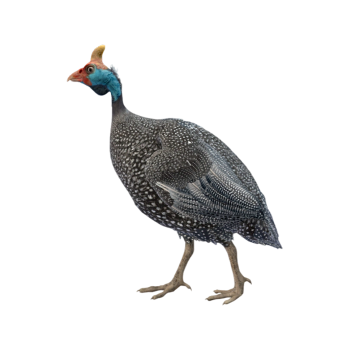
Guinea fowl (3D animated model)
163 View

Wild Goose (3D animated model)
185 View

Red Fox (3D animated model)
153 View
Random Model

Navel orange
458 View

Sideboard
626 View

traditional antique style oak table
516 View
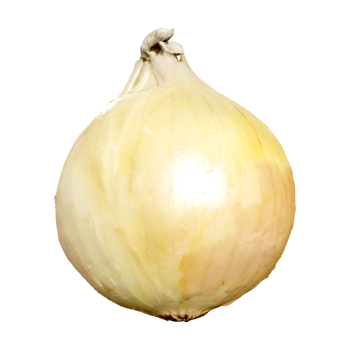
Yellow-skinned onion
726 View


Bleo dog sculpture
572 View


Monopterus albus specimen
753 View

Multiplayer Sofa
619 View

Star prom mask (support 3D printing)
549 View